
Master the Art of DIY Power Washing: Safe, Efficient, and Time-Saving Tips for Every Homeowner
Transform your home’s exterior into a pristine masterpiece while safeguarding your investment. Our comprehensive DIY power washing guide equips you with essential safety tips, surface prep advice, equipment insights, and common pitfalls to avoid—ensuring you achieve professional-grade results effortlessly. Here’s what we’ll dive into:
- Crucial safety tips and gear essentials
- Step-by-step cleaning for siding, roofs, driveways, decks, and furniture
- Equipment, PSI/GPM insights, nozzle choices, and eco-friendly detergents
- Common DIY blunders and when to call in the pros
- Post-wash sealing, maintenance schedules, and monitoring tips
- Addressing homeowner concerns about DIY power washing
With expert guidance from Poseidon PDX—serving Portland, Beaverton, Tigard, Hillsboro, and beyond—you’ll gain the confidence to tackle outdoor cleaning and know when professional help is the smarter choice.
Essential Safety Tips for DIY Power Washing
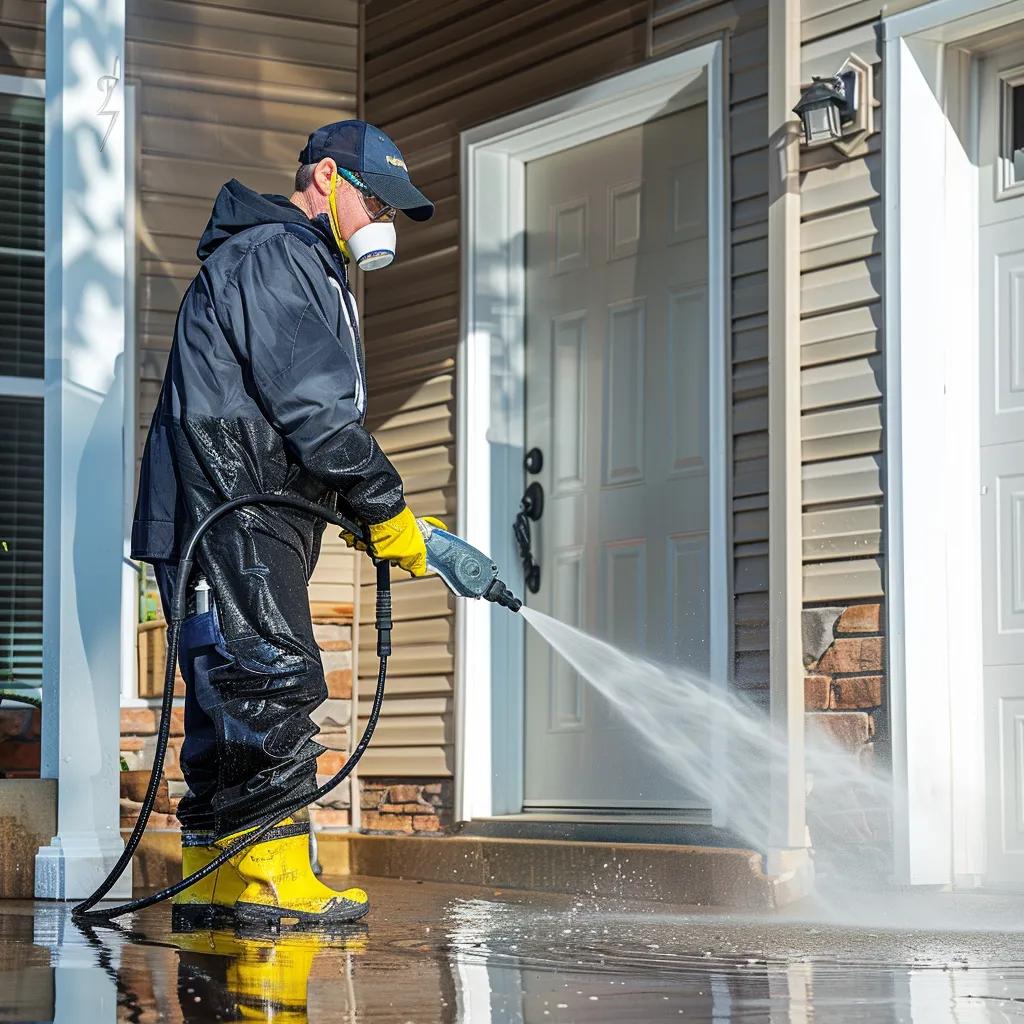
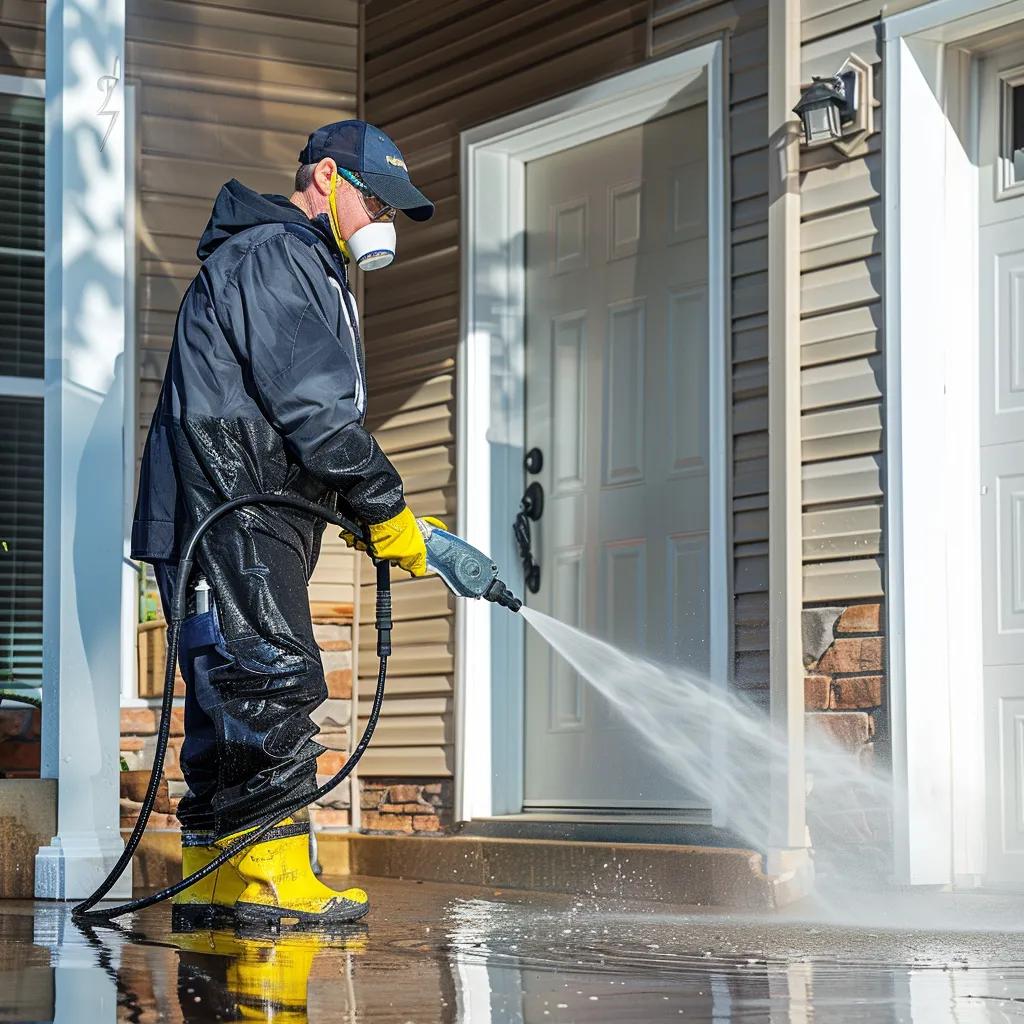
Safety is paramount when power washing. Proper techniques, protective gear, and hazard awareness are key to minimizing injury risks and protecting your property.
Personal Protective Equipment for Homeowners
Equip yourself with gear that shields against high-pressure water and cleaning solutions while preventing slips and chemical exposure.
- Safety glasses to shield your eyes from debris and spray.
- Waterproof gloves for a firm grip and skin protection.
- Non-slip boots to maintain stability on wet surfaces.
Power Washing Safety Gear
Using the right personal protective equipment (PPE) is crucial to prevent injuries from high-pressure water, cleaning solutions, and debris. This includes safety glasses, waterproof gloves, and non-slip boots.
These essentials enhance control and prevent injuries, leading us to nozzle safety precautions.
Choosing and Using Nozzles Safely
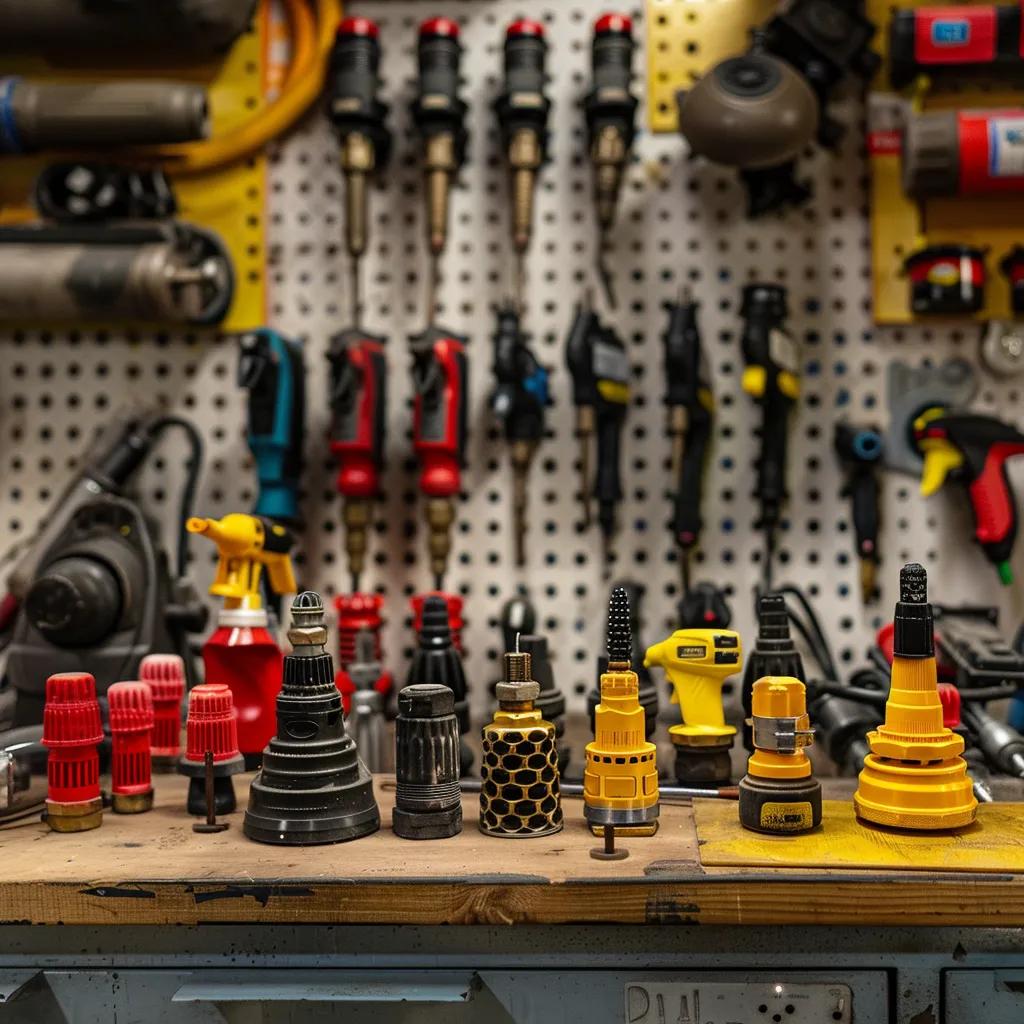
The right nozzle determines spray angle, pressure distribution, and surface compatibility—key to preventing damage and optimizing cleaning.
Here’s a quick guide to common pressure washer nozzles and their ideal uses:
Choosing a gentler angle for painted or fragile materials prevents etching and finish removal, while higher-pressure nozzles tackle tough grime on hard surfaces. Understanding nozzle mechanics leads us to ladder and electrical safety.
Nozzle Selection and Surface Compatibility
Choosing the right nozzle is crucial for effective and safe power washing. Different nozzles are designed for specific surfaces and tasks. Using the wrong one can cause damage, while the right choice optimizes cleaning.
This citation underscores the importance of proper nozzle selection for optimal cleaning results.
Ladder and Electrical Safety Precautions
Combining water and elevated work requires strict ladder and electrical guidelines to prevent falls, electrocution, and cord damage.
- Always position the ladder on stable, non-slippery ground and maintain three-point contact when climbing.
- Use GFCI-protected extension cords rated for outdoor use and inspect for damage before use.
- Keep spray patterns away from electrical outlets, fixtures, and power lines to avoid electrical hazards.
Maintaining a safe distance from electrical sources ensures user safety and sets the stage for avoiding common safety mistakes.
Common Safety Mistakes to Avoid
Steering clear of frequent errors reduces the likelihood of accidents and surface damage, ensuring cleaner results and fewer repair costs.
- Avoid pointing the wand at people or pets to prevent severe injuries.
- Using a zero-degree nozzle on wood siding can cause gouges and splintering.
- Ignoring manufacturer-recommended PSI settings can lead to surface erosion.
- Operating a ladder on wet mulch or uneven terrain increases the risk of falls.
By avoiding these mistakes, homeowners maintain control of their equipment and prepare for effective surface-specific cleaning methods.
Preparing and Power Washing Different House Surfaces
Surface-specific preparation balances pressure, detergents, and technique to enhance cleaning while preserving materials. Understanding each surface’s tolerance and finish protects against irreversible damage.
Best Techniques for Cleaning Vinyl, Wood, and Stucco Siding
Vinyl, wood, and stucco require distinct PSI levels, detergents, and spray patterns:
- Vinyl Siding: Start at 1,200–1,500 PSI with a 25° nozzle and a mild house-wash detergent to lift mildew stains without cracking panels.
- Wood Siding: Use a soft-wash approach at 800–1,200 PSI and a gentle cleanser to avoid raising wood grain and preserve paint or stain layers.
- Stucco: Apply a low-pressure rinse (1,200 PSI max) with a bleach-based cleaner to remove algae and dirt from textured surfaces without chipping edges.
Careful adjustment of PSI and detergent concentration ensures each siding type regains brightness without compromising structural integrity.
Approaching Roof and Gutter Cleaning Safely
Soft-washing roofs at under 500 PSI with a fungicidal wash removes moss and algae without loosening shingles or tiles. Gutter cleaning requires:
- Pre-rinsing debris down to grade to prevent blockages
- Flushing channels with a high-flow tip at 25° to dislodge sediment
- Wearing a harness when working on steep roofs to limit fall risk
Safe roof practices protect shingles and gutters and pave the way for driveway and sidewalk power washing.
Steps to Effectively Clean Concrete Driveways and Sidewalks
Concrete surfaces demand higher pressure and surface cleaner attachments for deep stains:
- Sweep loose debris and apply a degreasing agent to oil spots.
- Attach a surface cleaner and set pressure to 2,500 PSI for uniform agitation.
- Work in overlapping passes at a 45° spray angle to break mold and mildew bonds.
Thorough cleaning cycles maximize flow rate and prep concrete for sealing or repaving if necessary.
Power Washing Wood Decks and Patio Furniture
Wood decks and outdoor furniture require consideration of grain direction and material:
- Align the spray 15° nozzle with the wood grain at 1,200 PSI to prevent splintering on decks.
- Rinse wicker or plastic furniture using a 40° nozzle at 1,500 PSI to remove accumulated grime without cracking fibers.
- Follow up with a clear wood sealant while the deck remains slightly damp to improve water resistance.
These tailored steps preserve wood integrity and furniture finish while enhancing the next maintenance phase.
Choosing the Best Equipment and Cleaning Agents for DIY Power Washing
Selecting the right pressure washer, flow rate, nozzle set, and cleaning solution elevates cleaning performance and reduces waste.
Types of Pressure Washers Suitable for Home Use
Homeowners typically choose between electric, gas, and cordless models based on power needs and portability:
- Electric pressure washers offer 1,300–1,800 PSI with quiet operation and minimal maintenance.
- Gas pressure washers deliver up to 3,000 PSI for heavy-duty concrete and commercial surfaces but require fuel and oil changes.
- Cordless pressure washers prioritize maneuverability at 1,000–1,500 PSI with limited runtime per charge.
Matching equipment capacity to project scale ensures efficient cleaning and operator comfort.
Impact of PSI and GPM on Cleaning Performance
Pressure (PSI) and flow rate (GPM) jointly determine cleaning power and coverage speed. The table below summarizes their interaction:
Balancing pressure and flow reduces cleaning time and surface abrasion, guiding homeowners toward correct nozzle and detergent choices.
Selecting the Right Nozzle for Each Surface
Nozzle selection hinges on surface hardness, stain level, and operator control:
- Use 0° or 15° nozzles on concrete for deep-set stains.
- Choose 25° nozzles on siding and decks for moderate cleaning without gouging.
- Opt for 40° nozzles on delicate materials like outdoor fabrics and painted trim.
Accurate nozzle matching improves cleaning outcomes and prevents unsightly surface damage.
Eco-Friendly Detergents and Cleaning Solutions

Green cleaning solutions maintain performance while protecting plants, pets, and local waterways:
- Biodegradable house-wash detergents balance surfactants and pH to remove mildew.
- Oxygen bleach formulas lift organic stains without harsh chlorine fumes.
- Mildewcide treatments inhibit regrowth on shaded exteriors.
Selecting eco-friendly supplies promotes environmental stewardship and prepares surfaces for low-impact maintenance.
Common DIY Power Washing Mistakes and How to Avoid Them
Why Using the Wrong Nozzle Is Harmful
A concentrated nozzle on soft materials concentrates force and carves grooves into wood or peels paint off siding. Matching spray angle to substrate hardness prevents irreversible damage while maintaining cleaning efficiency.
How Excessive Pressure Causes Damage
Applying above-recommended PSI risks etching concrete, stripping paint, and loosening roofing granules. Moderating pressure in line with manufacturer guidelines sustains surface longevity and avoids costly repairs.
Problems from Spraying Upward or Cleaning Out of Order
Spraying upward under siding pushes water behind panels, fostering rot and mold growth. Cleaning from the top down on vertical surfaces ensures runoff carries debris away, reducing moisture traps in cracks and seams.
When to Stop and Consider Professional Help
- Roof cleaning involves steep pitches or moss invasion.
- Commercial or multi-story exteriors require extensive scaffolding.
- Stubborn oil, rust, or mold stains resist DIY methods.
At this point, engaging professional exterior cleaning services can save time and protect property assets.
When to Hire Professional Power Washing Services
Benefits of Professional Power Washing
- Deliver uniform cleaning on all surfaces without damage.
- Save dozens of DIY hours through efficient workflows.
- Provide liability coverage and warranty assurances.
Jobs Too Complex or Risky for DIY
- Roof and gutter deep cleans on multi-story homes pose significant fall hazards.
- Commercial dock, warehouse, or storefront washing demands high-capacity machines.
- Hazardous substance removal like lead-based paint stripping requires specialized handling.
How Professional Service Protects Long-Term Property Value
Routine professional cleaning prevents mildew and mold proliferation, which can erode siding and degrade finishes. Consistent maintenance safeguards curb appeal and extends material lifespans, delivering measurable return on investment.
Accessing Professional Help in Portland and Surrounding Areas
Homeowners can explore Poseidon PDX’s full suite of offerings by visiting “professional exterior cleaning services” on our website. Learn more and request a free quote: Professional exterior cleaning services
Maintaining Your Property After Power Washing
Best Practices for Surface Protection and Sealing
Applying sealants or stain guards within 24–48 hours of power washing locks in cleanliness:
- Wood decks benefit from semi-transparent deck stains to repel moisture.
- Concrete driveways accept acrylic or silane sealers to inhibit oil and water penetration.
- Stucco and masonry require vapor-permeable coatings to avoid trapped moisture damage.
Proper sealing extends surface resilience and streamlines subsequent wash cycles.
Scheduling Power Washing for Different Surfaces
Maintenance frequency depends on climate exposure and material type:
- Driveways and sidewalks: annually to remove traffic stains.
- Siding and fencing: every 18–24 months to prevent algae growth.
- Roof and gutters: every 2–3 years or after heavy debris accumulation.
Adhering to tailored schedules optimizes cleaning budgets and property aesthetics.
Monitoring for Mold, Mildew, and Damage Between Cleanings
- Scan shaded siding and eaves for early mildew spots.
- Check grout lines and concrete joints for moss development.
- Examine wood railings and deck boards for splintering or rot.
Early detection channels timely interventions and maintains safety standards.
Frequently Asked Questions About DIY Power Washing
Is It Worth It to Pressure Wash Your Own House?
DIY power washing saves service fees but requires substantial time, learning curves, and risk management. When budgets permit and safety protocols are followed precisely, homeowners achieve satisfactory results, though complex stains or heights may warrant professional services.
Recommended PSI for Different Surfaces
- 1,200–1,500 PSI for vinyl and wood siding
- 500–800 PSI soft wash for asphalt shingles
- 2,000–3,000 PSI for oil-soaked concrete
These ranges balance cleaning strength with material preservation.
Safe and Effective Homemade Cleaning Solutions
- One-part white vinegar with one-part water to lift light mildew
- Oxygen bleach mixes at 3–4 oz per gallon of water for root stain removal
- Mild dish soap solutions for gentle initial rinses
Testing on inconspicuous areas ensures compatibility before full application.
Surfaces You Should Never Pressure Wash
- Asphalt roofing shingles
- Painted or stained wood furniture without protective coating
- Antique brick or crumbling mortar joints
Selecting alternative soft-wash methods preserves these fragile surfaces.
Safely Removing Mold and Mildew
- Pre-treating with fungicidal detergents and dwell times of 10–15 minutes
- Rinsing at a downward angle to direct runoff away from building foundations
- Wearing appropriate PPE to block spores and chemical splatter
These measures restore surfaces and reduce health hazards between comprehensive washes.
Maintaining safe procedures and choosing proper equipment elevates DIY power washing success while highlighting the benefits of professional support for challenging projects.
Power washing revitalizes home exteriors, and with these detailed techniques, homeowners can achieve cleaner, healthier, and long-lasting results. Consistent safety practices, tailored equipment setups, and timely professional assistance—when needed—ensure every project enhances both curb appeal and property protection.
“`